Transforming Urban Sanitation: The Role of Public-Private Partnerships
Transforming Urban Sanitation: The Role of Public-Private Partnerships
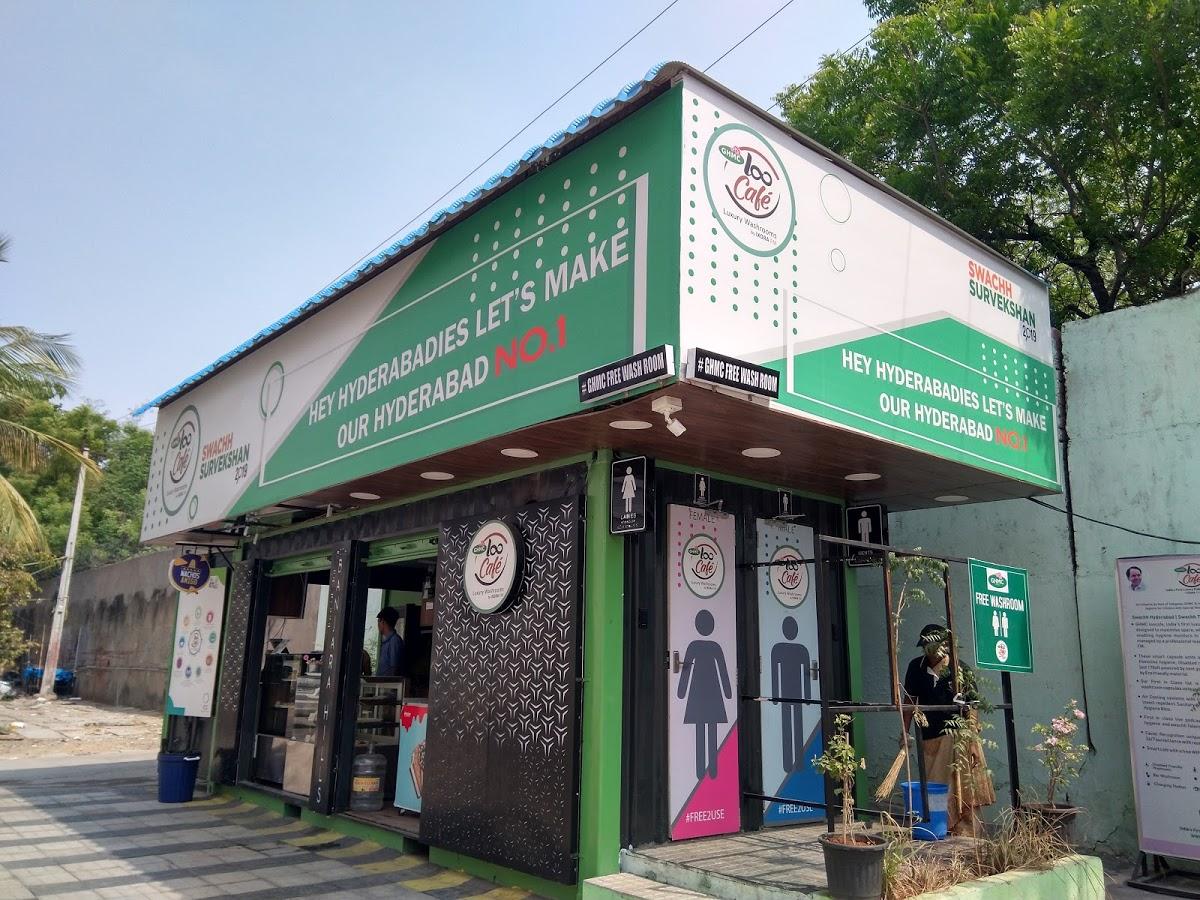
Urban sanitation in India and the Global South faces a dual challenge: massive investment needs and operational inefficiency. Traditional government-run models often struggle with capital constraints and maintenance deficits. Enter Public-Private Partnerships (PPPs), a governance framework championed by experts like Dr. Srinivas Chary Vedala (ASCI), which has revolutionized service delivery in cities like Warangal and Hyderabad.
The PPP Paradigm Shift
A Public-Private Partnership is not privatization; it is a contract between a public authority and a private party to provide a public asset or service. In sanitation, this shifts the focus from "building infrastructure" to "delivering a service."
Key Models in Sanitation
- Hybrid Annuity Model (HAM): The government pays a portion of the capital cost upfront, while the remainder is paid as an annuity over time, linked to performance standards. This ensures the contractor maintains the asset.
- Design-Build-Operate-Transfer (DBOT): The private partner designs, builds, and operates the facility for a concession period (e.g., 10-15 years) before transferring it back to the municipality.
- Service Contracts: For specialized tasks like Fecal Sludge Management (FSM), private operators manage collection and treatment fleets under municipal oversight.
Why PPPs Work for Sanitation
- Efficiency: Private sector agility brings clearer accountability and faster execution.
- Technology Injection: Partners bring modern technologies (like ReFlow's ReFlow Toilet or vacuum trucks) that municipalities might not have in-house.
- Performance-Based Payments: Unlike traditional construction contracts, PPP operators are paid only if they meet Service Level Benchmarks (SLBs)—e.g., 100% waste treatment, zero odor, high uptime.
Success Stories: The Warangal Experience
Warangal was the first city in India to implement a comprehensive Fecal Sludge and Septage Management (FSSM) policy via PPP.
- The city engaged private operators for desludging trucks.
- A dedicated treatment plant (FSTP) was built and operated by a private partner.
- Result: Warangal achieved 100% safe containment and treatment oversight, becoming a model for national policy.
The Role of Technology in PPPs
For a PPP to succeed, transparency is key. Digital monitoring systems—like ReFlow's remote monitoring dashboard—allow municipalities to verify the private partner's performance in real-time. Sensors track water quality, pump uptime, and user footfall, ensuring that payments are released based on hard data, not just claims.
Conclusion
PPPs are not a magic wand, but when designed with strong regulatory frameworks and clear risk-sharing, they are the most viable path to scaling high-quality urban sanitation. By leveraging private efficiency for public good, cities can ensure that toilets are not just built, but effectively maintained for decades.
Subscribe to our Insights
Get the latest updates on sanitation technology and urban policy.